
Lifespan of Turkey Teeth Veneers

Review Date: September 2, 2025
Content Last Updated: [last_updated]
A common fear among international patients is that the lower cost of dentistry abroad equates to a “temporary fix.” You may have read sensationalized stories about “Turkey Teeth” failing after a few years. At Health Centers Turkey (HCT), we need to correct this narrative immediately.
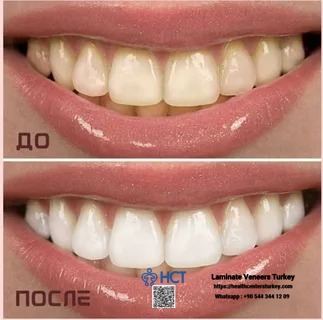
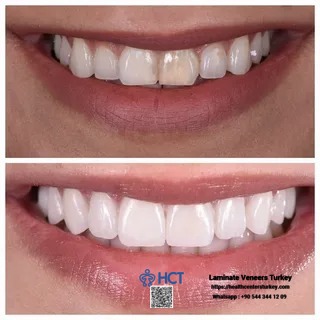
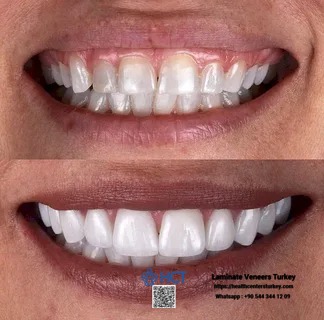
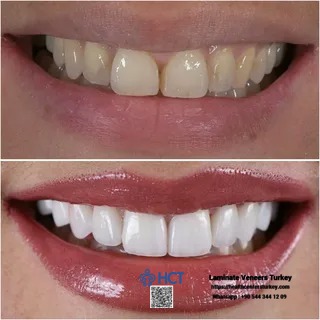
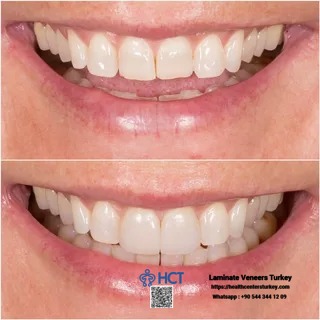
The Lifespan of Turkey Teeth Veneers is not determined by the country in which they are placed, but by the materials used and the skill of the prosthodontist. When performed correctly in Istanbul or Antalya, using global brands like Ivoclar or Straumann, your veneers are an investment built to last over a decade.
We do not offer “cheap shortcuts.” We offer the same medical durability you would expect in London or New York, simply without the inflated operational costs.
Table of Contents
What Determines the Longevity of Veneers?
Three critical factors dictate how long your smile remains flawless: the material quality, the biological integration (prep work), and your personal maintenance.
- The Quality of Materials
Not all veneers are created equal. Composite resin, for example, is cheaper but porous, leading to staining and chipping within 5-7 years. In contrast, porcelain options like E-max and Zirconium are non-porous and chemically inert, meaning they resist decay and discoloration.
Dt. Betül Semercioğlu, one of our lead cosmetic dentists, emphasizes the importance of material selection:
“We frequently replace composite veneers done elsewhere that have stained after just three years. At HCT, we primarily use or because they offer the fracture resistance necessary for a 10-15 year lifespan. A patient looking for long-term value should always choose porcelain over composite.”
- The Bonding Protocol
The longevity of a veneer relies heavily on the Bonding Strength. This is a chemical process, not just “gluing” a shell onto a tooth. We use high-grade resin cements that fuse the veneer to the enamel. If the underlying tooth is prepared correctly—keeping the preparation within the enamel layer whenever possible—the bond is incredibly strong.
If you have missing teeth that jeopardize the stability of your bite, we may recommend to restore function before applying veneers, ensuring the pressure is evenly distributed

Winner: Best Health Tourism Co. 2023

AACI International Accredited
Int'l Health Tourism Certificate
Turkish Dental Association
ISO 9001:2015 Quality Certified
Winner: Best Health Tourism Co. 2023
AACI International Accredited
Int'l Health Tourism Certificate
Turkish Dental Association
ISO 9001:2015 Quality Certified
EXCELLENTTrustindex verifies that the original source of the review is Google. I had 20 zirconias fitted around 8 weeks ago, they looked after me every step of the way and made me in to a very happy customer. I would certainly recommend them.Posted onTrustindex verifies that the original source of the review is Google. I’m very satisfied with the services provided by Mr. Burak. He was extremely helpful and made sure everything was well-organized from start to finish. The clinic was very professional, and all procedures went smoothly. One of the highlights was that Mr. Burak even dedicated a whole day to show us around Istanbul, which was a lovely experience. He also regularly checked in to ask about my health and well-being, which I really appreciated. The hotel was conveniently located close to the clinic, and all airport transfers—both arrival and departure—were perfectly arranged. I highly recommend his services!Posted onTrustindex verifies that the original source of the review is Google. This is a brilliant clinic, I was looked after by Burak he went above and beyond to help me with everything! I had to travel alone as my friend couldn’t make it! I was looked after the whole way through my teeth are perfect I absolutely love them, it has most definitely give me the confidence to smile again! As soon as I was off the plane I was picked up in a lovely cool car as it was red hot and I was nervous, Burak was there for me outside, I was he took me to my hotel which was perfect and everyday I was picked up, took to the dentist, he even took me to change some money as I didn’t have the correct currency. I could not recommend this company and Burak more! I did loads of research and it paid off don’t look anywhere else your in great hands with this company, everyone loves my teeth and I’m a new woman thanks Burak and the team! Amazing 10 stars 🫶🏼🫶🏼🫶🏼Posted onTrustindex verifies that the original source of the review is Google. My experience with HCT Dental Clinic Antalya was nothing short of amazing! Traveling from the USA to Türkiye (Turkey) was worth every mile traveled. I was received by their amazing staff and delivered to my hotel for check-in. Services began right away. I was picked up for every appointment and brought back to the hotel each day. The dental staff were very friendly and knowledgeable on restoring my dental health and smile. The food was awesome and the views of the city were incredible! The overall experience was top tier and very affordable. I paid a fourth of the cost for my services, compared to the prices here in the States. I highly recommended HCT Antalya! Many Thanks for everything!Posted onTrustindex verifies that the original source of the review is Google. I just wanted to leave a review to talk about my experience with HCT dental clinic, thay have given me the perfect smile , I was well looked after the staff are amazing and friendly I'm so pleased with the final results , I can't thank them enough for giving me the smile I've always dreamed of I highly recommend HCT dental clinic very professional and talked me through step by step as I was a very nervous patient , thay answered all my questions and were helpful in everyday possible, I honestly can't thank them enough definitely a 5 star plus rating .Posted onTrustindex verifies that the original source of the review is Google. Impilant tedavimi bu klinikte yaptirdim doktorlar ve bilgilendirme cok iyiydi. Tedavimden cok memnun kaldim. Herkese tavsiye ederim.Posted onTrustindex verifies that the original source of the review is Google. Dis tedavimi bu klinikte yapmaya karar verdim. Ilgi ve doctor tecrubesi Marika her adimi acikladilar ve taking etmem gereken kurallari anlattilar. Tekrardan yemek yiyebildigim icin mutluyum. Herkese tavsiye ederimPosted onTrustindex verifies that the original source of the review is Google. Almanya köln den geldim hollywood smile tedavisi gördüm çok memnunum çok beğendim harika bir yer tavsiye ederimPosted onTrustindex verifies that the original source of the review is Google. Just want to leave my review as it’s important for people to find the best treatment in turkey so it’s a 5 star plus from me. So here’s my story I’ve been here 3 years ago by myself for teeth treatment with HCT and it’s best thing I’ve ever done with teeth still looking good and going strong excellent service with mr Burak and staff helped a lot with arrival and made me feel welcome, so about a month ago I contacted HCT about getting hair transplant and they found me an excellent hotel called Laren family hotel with staff great clean and good food, so it’s early stages with hair treatment dun two weeks ago but everything ok so far as I had an really good clinic with staff who you can really tell they love and care about the work they do so yes 5 stars from me and I’ve recommended a few friends back home so thanks to Mr Burak and team much appreciated 👍👍👍Posted onTrustindex verifies that the original source of the review is Google. Klinika na wysokim poziomie, nowoczesna a personel z ogromną wiedzą i doświadczeniem dla którym liczy się przede wszystkim dobro i zdrowie pacjenta . Polecam z całego serca ♥️Verified by TrustindexTrustindex verified badge is the Universal Symbol of Trust. Only the greatest companies can get the verified badge who has a review score above 4.5, based on customer reviews over the past 12 months. Read more

Material Durability Comparison
To help you understand the investment, here is a breakdown of the expected lifespan for different veneer types available at our clinics in Turkey.
| Veneer Type | Primary Brand | Expected Lifespan | Stain Resistance | Fracture Risk |
|---|---|---|---|---|
| E-max Porcelain | Ivoclar Vivadent | 10-15 Years | High | Low |
| Zirconium Veneers | Vita / Straumann | 15-20 Years | Very High | Very Low |
| Composite Bonding | 3M / GC | 5-7 Years | Low (Stains easily) | Moderate |
Maximizing Lifespan: Maintenance is Key
Even the strongest Turkey Teeth require care. Neglecting hygiene will not damage the porcelain, but it can cause gum recession or decay in the natural tooth structure underneath the veneer.
Prof. Dr. Müjde Sevimay, our Head Dentist, warns against complacency:
“The veneer itself cannot decay, but the tooth structure supporting it can. If gum disease sets in due to poor hygiene, the gum line will recede, exposing the root and the margin of the veneer. This compromises the aesthetic and the stability. We provide every patient with a strict hygiene protocol.”
Essential Aftercare Rules
- Wear a Night Guard: If you grind your teeth (bruxism), a night guard is mandatory. Porcelain is strong, but constant grinding pressure can cause chipping.
- Avoid Hard Foods: Do not use your veneered teeth to open packaging, crack nuts, or chew ice. This applies to natural teeth as well.
- Regular Cleaning: You must brush twice daily and floss carefully. Water flossers are excellent for keeping the gum line around the veneer clean.
- Professional Check-ups: We recommend a check-up and professional polish every 6 months, whether with us in Antalya or your local dentist.
When Do Veneers Need Replacing?
Most patients enjoy their for over a decade without issue. However, replacement may be necessary if:
- Gum Recession: The gums shrink back, revealing the edge of the veneer.
- Trauma: An accident chips the porcelain.
- Underlying Decay: A cavity forms on the natural tooth behind the veneer.
If your veneers reach the end of their lifespan, the replacement process is straightforward. We gently remove the old shells, clean the teeth, and bond a new set. Since the initial preparation is already done, the process is often faster than the first time.
The Role of Digital Planning
We use to ensure your bite is perfectly aligned before we place the veneers. A misaligned bite is the leading cause of premature veneer failure. By analyzing your occlusion digitally, we ensure that chewing forces are distributed evenly, preventing stress fractures.
Warranty and Assurance
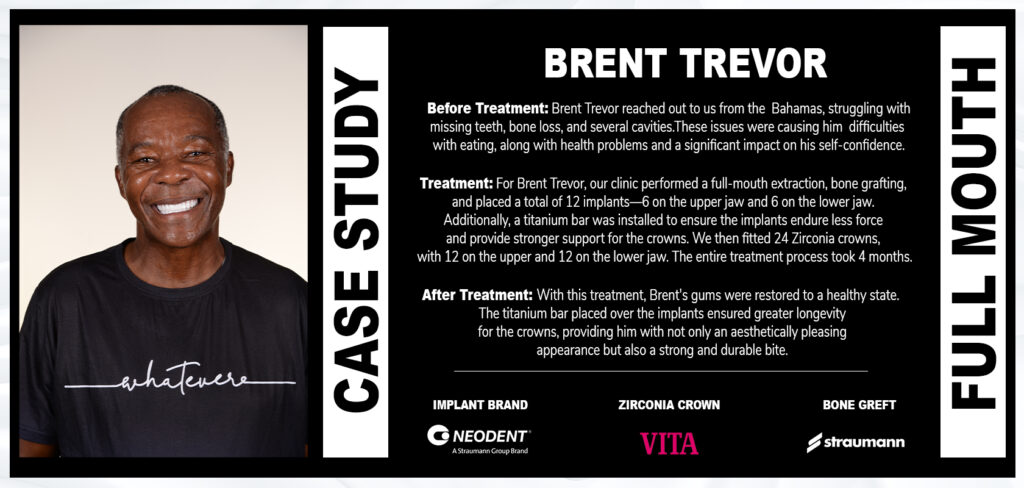
At HCT, we stand behind our work. Because we manage the entire process—from the initial consultation via our to the final fitting in our in-house lab—we can ensure quality control at every step.
If you are considering or veneers, know that we provide a guarantee on our prosthetics, provided you attend your scheduled check-ups.
Ready to invest in a smile that lasts? Visit our to learn more about our packages or explore complementary treatments like to brighten your remaining natural teeth.
Pro Tip from Prof. Dr. Müjde Sevimay
“Patients often ask if they can eat apples or steak with veneers. The answer is yes, but with a modification in technique.
My advice: Do not bite into a whole apple or hard fruit with your front veneers. Slice hard foods and chew them with your back molars. This simple habit change significantly reduces shear force on the front teeth and is a major factor in why some patients keep their veneers for 20 years while others chip them in five.”
To understand how a full smile transformation is planned and guaranteed, visit our Smile Makeover Turkey treatment guide.
Frequently Asked Questions
Do Turkey Teeth rot underneath?
No, veneers do not cause teeth to rot. Decay only occurs if bacteria get under the veneer due to poor bonding (a gap) or if the patient neglects oral hygiene. At HCT, our precise fit prevents gaps where bacteria could hide.
How often do veneers need to be replaced?
High-quality porcelain veneers (E-max or Zirconium) generally need replacement every 10 to 15 years. With excellent care and the use of a night guard, they can last up to 20 years.
Can I drink coffee with veneers?
Yes. Porcelain veneers are highly resistant to staining. Unlike natural enamel, they do not have pores that absorb pigments from coffee, tea, or red wine. However, you should still brush to prevent surface accumulation.
What happens if a veneer falls off?
If a veneer debonds (falls off) whole, keep it safe. In many cases, if the veneer is intact, it can be re-bonded by a dentist. However, proper bonding techniques make this a rare occurrence.
Is there a warranty on veneers in Turkey?
Yes, reputable clinics like HCT offer a warranty on dental prosthetics (usually 2-5 years), covering manufacturing defects or breakage under normal use, provided the patient follows aftercare instructions.
Prof. Dr. Müjde Sevimay
Prosthodontics Specialist | Faculty Member at Antalya Bilim UniversityProf. Dr. Müjde Sevimay is a distinguished specialist in Prosthetic Dentistry with over 25 years of extensive academic and clinical experience. After completing her PhD in 2002, she has built a significant academic career, achieving the rank of Professor in 2015. She has authored numerous articles in prestigious international journals, and her research focuses on implant-supported prostheses, aesthetic restorations, and contemporary dental materials.
- Education: PhD in Prosthodontics, Selçuk University (2002)
- Experience: 25+ Years (Since 1998)
- Authority: Widely published in national & international scientific journals.
- Research Focus: Implantology, Aesthetic Dentistry, Dental Materials.
- View Google Scholar Profile