Implant Appointment · Antalya And Istanbul
How To Mentally Prepare For Dental Implant Surgery
Mental preparation for dental implant surgery is a plan for the appointment, the anaesthetic and the first evening. Local anaesthetic is the usual approach at HCT. IV sedation is £230 a session only if the clinician agrees it is suitable, and it is not general anaesthesia. A finished tooth on the day of surgery is not the usual plan.
Ask About The Appointment
- Usual Anaesthetic
- Localyou stay awake
- IV Sedation
- £230a session, if used
- Not This
- General anaesthesiasedation is a different option
- Final Tooth
- A later visitnot promised the same day
How you mentally prepare for dental implant surgery is mostly practical. You need a clear picture of the appointment, whether it will use local anaesthetic, what to arrange the night before, and what the first evening is for. At HCT, local anaesthetic is the usual approach: you stay awake and a small area is numbed. IV sedation is considered only after an assessment. It is not general anaesthesia, and it is not used for every patient. A finished tooth is not placed on the day of surgery as a routine. Worry about the needle, the sound, or a past dental visit is common, and it is useful to name that worry before you travel.
01
What The Appointment Involves
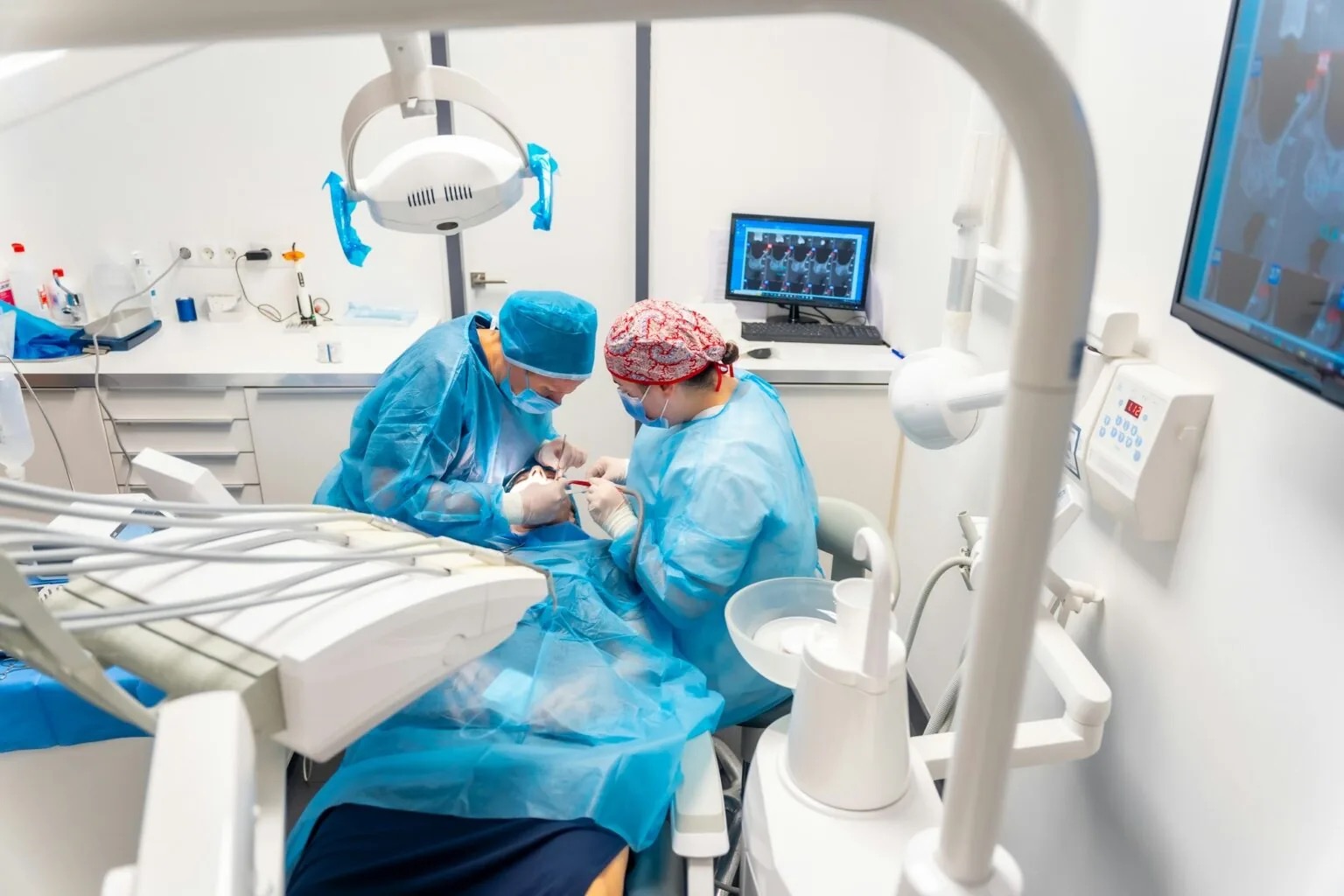
The surgical appointment is the visit when the implant is placed, after the scan has been read and you have agreed how the area will be numbed. Knowing that sequence is the useful part of mental preparation. Imagining an endless operation, or a finished smile before you leave the chair, makes the day harder to plan.
What To Ask Before You Travel
Ask for the plan in writing. Useful questions are who will read the scan, who will place the implant, whether the appointment is local anaesthetic only, and whether a temporary tooth is even being considered. Ask what the first evening involves and which number to use if something worries you that night. Write the answers down. A written plan is easier to re-read than a conversation you had while you were nervous.
Also say if you are pregnant, if you smoke, or if a medical condition is not currently stable. Elective implant placement is often postponed in pregnancy. Smoking is a healing factor the surgeon needs to hear about before you fly. Neither point is a diagnosis you can make from this page.
Why The Final Tooth Is Later
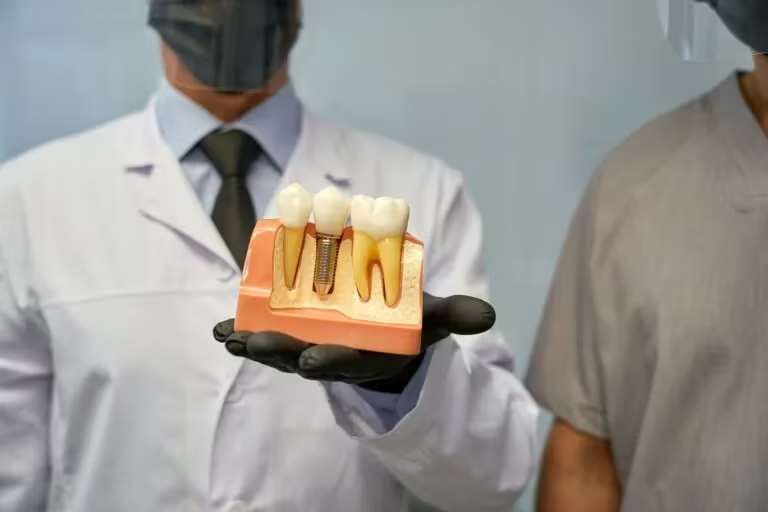
The usual plan has two visits. The implant, which replaces the root, is placed on the first visit. The final crown or bridge is fitted on a later visit, often about 3 to 6 months afterwards, once the clinician is satisfied the implant can be restored. A temporary tooth on the day of surgery is possible only when the implant is stable enough. That temporary is not the finished tooth, and it is not offered to every case. Do not book the trip on the assumption that you will fly home with the final teeth the same day.
02
Local Anaesthetic And IV Sedation
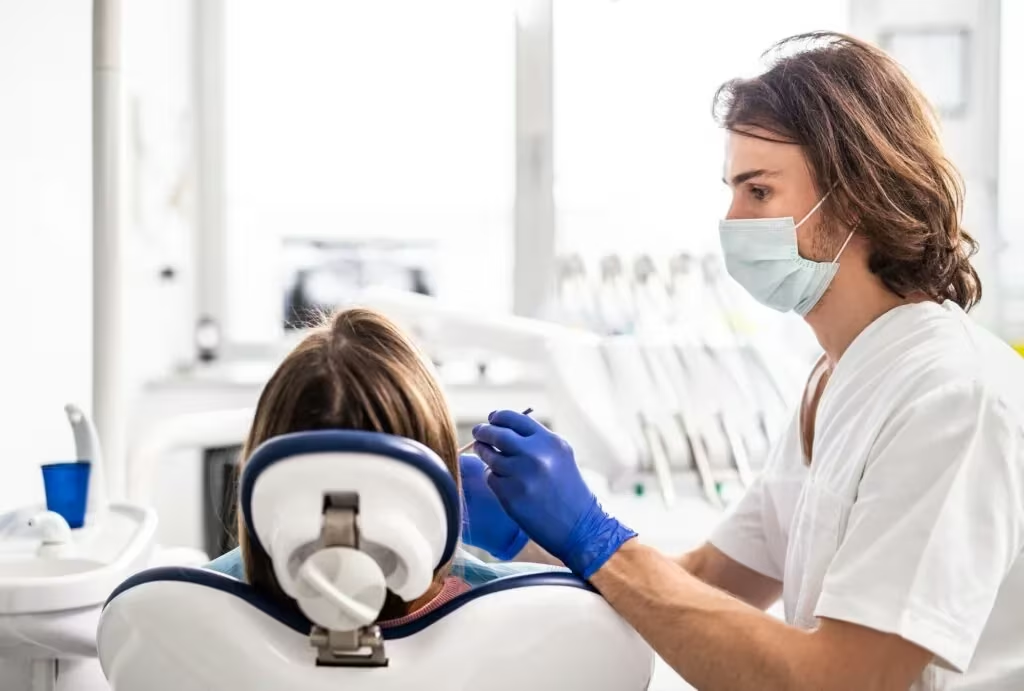
Local anaesthetic is the usual way an implant appointment is numbed at HCT, and you stay awake. The NHS describes a local anaesthetic as a medicine that numbs an area of the body while you remain conscious, and it lists sedation and general anaesthesia as different options. That distinction is the one to keep.
What Local Anaesthetic Does
The anaesthetic is given so the area being treated is numb before the implant is placed. As it starts to work, a warm or tingling feeling is common. Many people then notice pressure, vibration, water, or the sound of the instruments rather than a sharp sensation. Say immediately if the area does not feel numb. Soreness, swelling and bruising after the numbness wears off are still common. Numbing the area is the aim of the local anaesthetic. It is not a promise that the appointment, or the days afterwards, will be comfortable for every person.
When IV Sedation May Be Used
IV sedation is an extra option for some patients who are very anxious, who have a strong gag reflex, or whose operation is long enough that the clinician thinks sedation is appropriate. It is a medicine given into a vein so that you are drowsy and relaxed, and you can still respond. Some people remember little of the appointment afterwards. That memory gap is not promised, and feeling calm is not promised either. You still need an assessment of your medical history, and you need an escort who can take you back afterwards. You should not drive, sign important papers, or look after someone else until the written instructions say you may.
If it is used, IV sedation is £230 a session. It is not general anaesthesia, and treatment fees sit in the dental implants cost in Turkey guide. The £230 line is not added to every implant plan, and it is not included by describing a full-mouth package as covering sedation.
What Sedation Is Not
IV sedation is not sleep in the sense of a general anaesthetic. A general anaesthetic is medicine that makes you unconscious, so you are not aware of the operation. The NHS describes sedation as being relaxed but not unconscious. HCT does not use IV sedation as a substitute for a general anaesthetic, and it does not offer sedation to every person who asks for it on the day. If sedation has not been agreed in advance, the appointment is planned around local anaesthetic. Scottish Dental Clinical Effectiveness Programme guidance on conscious sedation sets standards for dental sedation in the UK. It is a reference for what conscious sedation means. It is not an HCT protocol, and it does not mean you will be sedated.
03
How To Prepare Before You Travel
Preparation before you travel is a list you can finish at home: medicines, questions, an escort if sedation is planned, and a soft meal for the first evening. It is not a breathing exercise in place of a clinical plan, and it is not the same list as the night before a wisdom-tooth removal.
Medicines And Allergies
Bring the name and dose of every medicine you take, including blood thinners, diabetes medicines, and anything you buy without a prescription. Bring a note of allergies and of any previous reaction to a local anaesthetic or to sedation. Do not stop a prescribed medicine because you are nervous, and do not start a new one, unless the clinician has told you to. If you are unsure whether a medicine matters, send the list before you fly and ask for a yes or no.
What To Pack
Pack the written plan, your medicine list, and a phone charger. Wear a top with loose sleeves if a blood-pressure cuff or a cannula might be used. If you want music, ask in advance whether earphones are practical. Do not assume you can wear them for the whole appointment. Arrange the first evening’s food before the visit: yoghurt, soup, or something else soft that you already tolerate. A long walk, a pool, and alcohol are not part of that evening.
If You Are Very Anxious
Tell the team what the fear actually is. Needle, drill noise, being awake, gagging, and a previous bad visit are different problems, and they are not solved by the same sentence. Ask them to explain the next step before they do it, and agree a signal you can use if you need them to pause. Slow breathing can take the edge off while you are in the chair. It does not replace local anaesthetic, and it does not make IV sedation suitable. If you cannot face the appointment even after the plan is explained, say so before you travel. Postponing is a clinical conversation, not a failure of nerve.
04
The Morning Of Surgery
The morning of surgery follows the written instructions for your own anaesthetic plan. A local-anaesthetic visit and an IV sedation visit do not share the same rules about food, drink and whether you can leave alone.
Food, Drink And Medicines
If IV sedation is planned, follow the fasting and escort instructions you were given. Do not copy a fasting time from a different operation, including wisdom-tooth removal, and do not guess a number of hours from this article. If nobody has given you written advice about food and drink, ask before the morning of the visit. Take your usual prescribed medicines only as the clinician has confirmed. Eat or drink according to that note, not according to how hungry or how anxious you feel.
In The Chair
Arrive with time to use the lavatory, to take off a coat, and to repeat the one question you most want answered. Tell the clinician again if you are nervous. Ask them to check that the area is numb before they start, and use the pause signal if you need a moment. You may feel pressure after the local anaesthetic is working. You should not have to tolerate a sharp sensation in silence. The length of the visit depends on the number of implants, any extraction, and whether a temporary is being fitted. Nobody can turn that into a fixed minute count from a blog.
05
The First Days After Surgery
The first days are for the discharge note you are given at the clinic. This page is the preparation for that evening. It is not the owner of the cleaning, diet and exercise sequence, and it does not replace the note for your own operation.
The First Evening
Plan to rest where you are staying. Swelling, bruising and a dull soreness can begin as the numbness fades. Prescribed medicines are taken as written, not as a larger dose because the evening feels worse than you hoped. Soft food, a cold compress if the note allows one, and sleep are the realistic shape of the night. Bleeding that will not slow, swelling that is increasing quickly, difficulty breathing or swallowing, or a temporary that feels loose are reasons to contact the clinic rather than wait for a routine review. Do not treat the evening as a beach afternoon. Flying, exercise and alcohol wait for the instructions you were given.
Where The Longer Plan Lives
What to eat after the first evening, how to clean the site, when a salt rinse is allowed, and when exercise is reasonable are set out in dental implant aftercare in Turkey. Follow that guide together with your discharge note. Implant placement is still surgery. The US Food and Drug Administration lists infection, nerve damage and implant failure, meaning looseness or loss of the implant, among the complications patients should understand. Preparation reduces surprise. It does not remove those risks.
06
The HCT Team And Patient Reviews
HCT sees implant patients in Antalya and Istanbul. Before you travel, the written reply should name the clinic, who places the implant, and whether the anaesthetic plan is local only or includes IV sedation. A useful reply answers those points. It is not a promise about how the day will feel.
Dr. Aslı Ataseven And The Restorative Team

Maxillofacial Surgery And Prosthodontics
Dr. Aslı Ataseven is HCT’s maxillofacial surgeon. Prof. Dr. Müjde Sevimay is the prosthodontist who plans implant-supported teeth. Their roles are on the HCT doctors page. Ask which of them will read your scan and who will see you on the day.
This page is an editorial guide. It is not a record that a named clinician has signed this article as a medical review.
Patient Reviews On Google

Selected Google reviews from HCT patients. These are general clinic experiences, not verified accounts of implant surgery or of sedation.
Further comments are on patient reviews.
07
Questions About Preparing For Surgery
Is It Normal To Feel Anxious Before Implant Surgery?
Yes. Worry about the unknown, the needle, the sound of the instruments, or a past dental visit is common. Tell the clinic what worries you before you travel, and ask for the plan in writing. Anxiety does not, by itself, mean you will have IV sedation.
What Will I Feel During The Appointment?
With local anaesthetic the aim is a numb area while you stay awake. Many people feel pressure, vibration or the sound of the instruments rather than a sharp sensation once it is working. Say if the area does not feel numb. Soreness after the anaesthetic wears off is common. This is not a promise that the appointment will be comfortable.
Is IV Sedation The Same As General Anaesthesia?
No. IV sedation, if the clinician agrees to it, is £230 a session. You are drowsy and can still respond. General anaesthesia is a medicine that makes you unconscious. HCT does not describe IV sedation as general anaesthesia.
Does Everyone Have IV Sedation?
No. Local anaesthetic is the usual approach. IV sedation is considered after your medical history, the operation, and whether an escort can take you back. It is not added to every implant appointment.
How Much Is IV Sedation If It Is Used?
The published fee is £230 for one session. It is a separate price-list line. It is not a general anaesthetic fee, and it is not included in every implant plan.
What Should I Do The Night Before?
Write down the medicines you take, with doses, and any allergy or past reaction to an anaesthetic. Pack the questions you want answered. If IV sedation is planned, follow the written instructions on food, drink and an escort. Do not copy the night-before rules from a wisdom-tooth removal.
Can I Eat On The Morning Of Surgery?
Follow the written instructions for your own plan. A local-anaesthetic appointment and an IV sedation appointment do not use the same rules for food and drink. If you have not been given written advice, ask before the day. Do not stop a prescribed medicine unless the clinician has told you to.
Will I Leave With The Final Tooth The Same Day?
Do not expect that. A finished crown or bridge on the day of surgery is not the usual plan. A temporary tooth is considered only when the implant is stable enough. The final tooth is fitted on a later visit, often about 3 to 6 months afterwards, once healing has been checked.
What Happens On The First Evening?
You leave with a discharge note for rest, food and medicines. Swelling, bruising and soreness can start as the numbness wears off. Rest, and contact the clinic if the note tells you to call. Cleaning, later meals and exercise are not repeated on this page.
Do I Need Someone With Me?
If the plan is local anaesthetic only, ask whether you can leave alone. If IV sedation is used, arrange an escort who can take you back, and do not drive afterwards. The written sedation instructions are the ones you follow.
Who Places The Implant?
Ask the clinic to name the clinician before you travel. Dr. Aslı Ataseven is HCT’s maxillofacial surgeon, and Prof. Dr. Müjde Sevimay plans implant-supported teeth. The day you attend is confirmed in the written plan, not by this article.
Medical Sources And References
These sources explain local anaesthetic, general anaesthesia, conscious sedation and implant complications in general. They do not set HCT fees, choose who is sedated, or endorse the clinic.
- NHS — Local AnaestheticA local anaesthetic numbs an area while you stay awake. The same page separates sedation, where you are drowsy and still conscious, from general anaesthesia.
- NHS — General AnaestheticA general anaesthetic is medicine that makes you unconscious. Sedation is listed as a different option, where you are relaxed but not unconscious.
- SDCEP — Conscious Sedation In DentistryDental guidance on conscious sedation, third edition 2017, reviewed unchanged in December 2022. It is not an HCT protocol and it does not mean every patient is sedated.
- U.S. Food And Drug Administration — Dental Implants: What You Should KnowComplications can include infection, nerve damage and implant failure, described as looseness or loss of the implant. Preparation does not remove those complications.






Ask About Your Appointment
Send the medicines you take, any past reaction to an anaesthetic, and what you are worried about. Ask the reply to say whether the plan is local anaesthetic only or whether IV sedation is being considered, and whether a temporary tooth is expected. The scan at the clinic confirms the surgical plan. The £230 sedation fee applies only if that option is used.
Message The HCT Clinic