Fixed Bridge Vs Removable Denture · Antalya And Istanbul
Fixed Full-Arch Implants Vs Removable Denture Options In Turkey
A fixed hybrid bridge is screwed onto implants and stays in your mouth. A conventional removable denture uses no implants at all. A snap-on overdenture clips onto implants and you take it out to clean it. This article compares all three across stability, cleaning, surgery and cost. HCT publishes fixed full-arch bridge fees for All-on-4 at £5,980 and All-on-6 at £6,480, both for both jaws and both visits, each finishing with 24 zirconia teeth. A snap-on overdenture is quoted on request after clinical assessment.
Ask About Fixed And Removable Options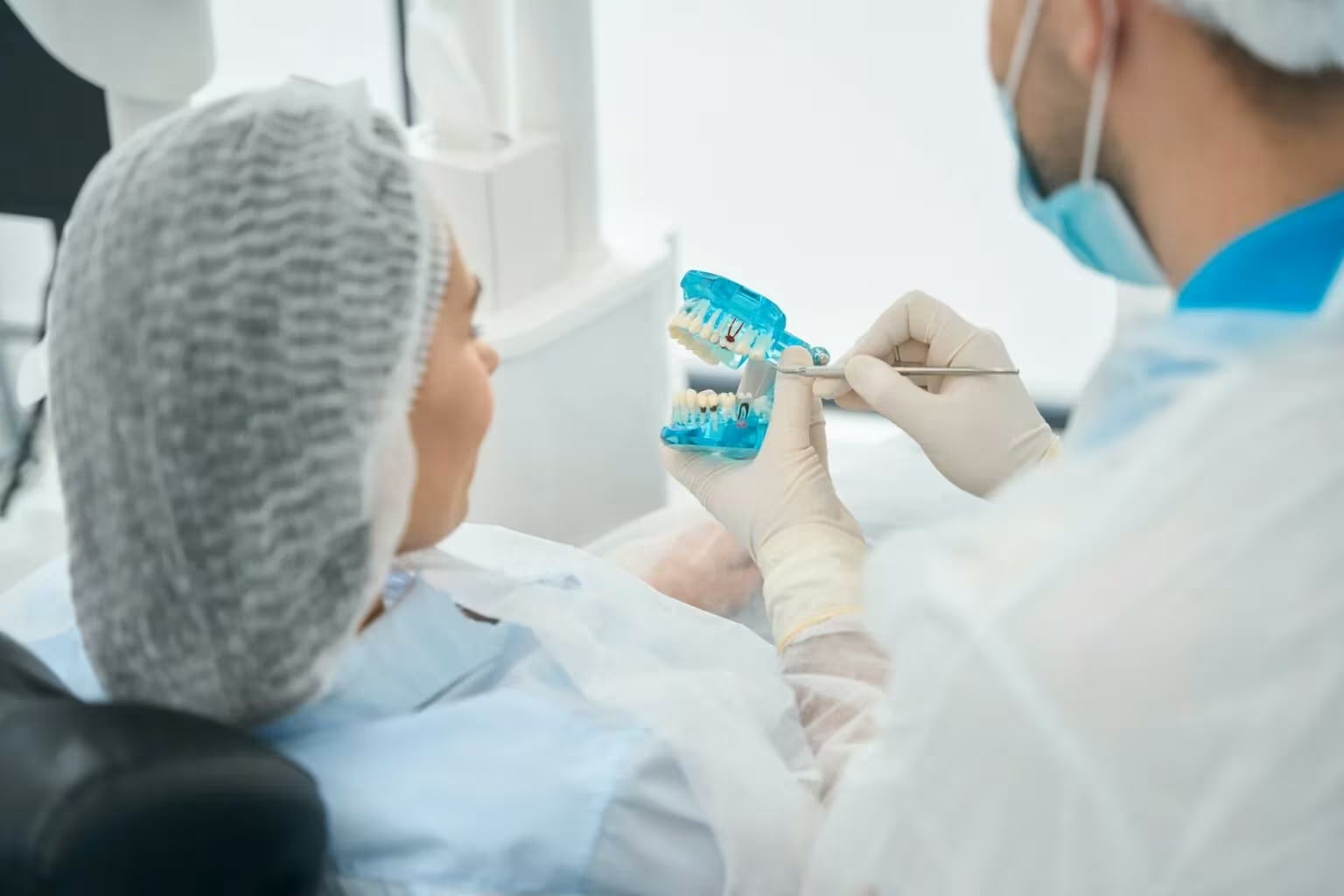
- All-on-4
- £5,980both jaws, fixed bridge
- All-on-6
- £6,480both jaws, fixed bridge
- Snap-On
- On Requestafter clinical assessment
- Hotel
- 3 + 7 daysroom and breakfast
This page compares three ways to replace a full arch of missing or failing teeth: a fixed implant-supported hybrid bridge, a snap-on implant overdenture, and a conventional removable denture. It sets out what each option involves in daily use, what the published fees are for the fixed bridge packages at HCT, and why the snap-on overdenture cost is quoted on request rather than published. It does not compare All-on-4 with All-on-6 implant count — that is covered on the All-on-4 vs All-on-6 article. It does not rank any option as better for every patient.
01
The Three Options Explained
Three approaches to replacing a full set of missing or failing teeth differ at a central point: whether implants are used, and whether the patient can remove the result.
Fixed Full-Arch Bridge (Hybrid Bridge)
A one-piece arch of teeth on a rigid frame is screwed onto the implants. Because it is screwed rather than cemented, a dentist can unscrew it for a deep clean or a repair, but you cannot remove it yourself. The bridge stays in the mouth while you eat, speak and sleep. That is the main practical difference from either kind of removable denture. The full mouth implant packages at HCT use this design: All-on-4 at £5,980 and All-on-6 at £6,480, both for both jaws and both visits, each finishing with 24 zirconia teeth.
Snap-On Implant Overdenture
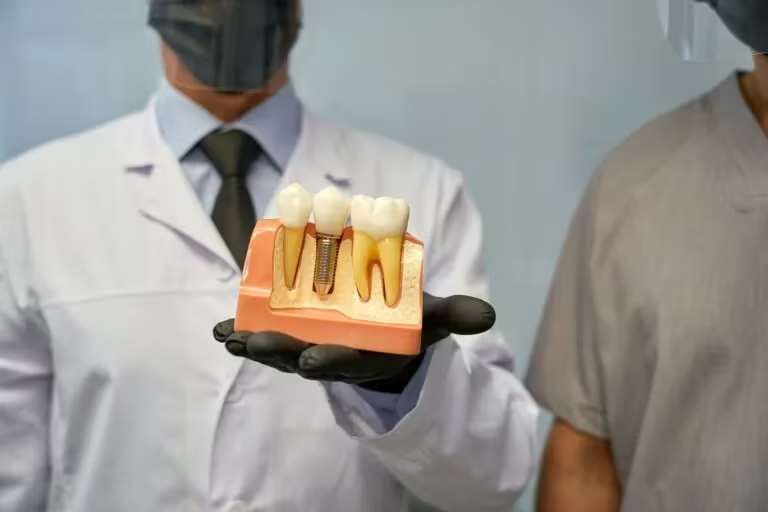
An implant-retained overdenture uses attachments such as locator or ball fittings, with clips inside the denture that engage them. You remove the denture each day for cleaning, then press it back into place. A lower-jaw overdenture may use two implants; an upper-jaw overdenture generally needs four to six. The number and attachment design depend on the bone and the planned denture. The Association of Dental Implantology guide to overdentures explains this distinction. Implant retention can reduce movement compared with a conventional denture, while removal gives access for cleaning. At HCT, this option is quoted on request after the examination and 3D scan confirm the plan and any graft requirement.
Conventional Removable Denture
A conventional denture rests on the gum ridge with no implants. You remove it each night, clean it outside the mouth, and use adhesive if the fit needs support. It is the least invasive of the three options and does not require surgery. Over time the ridge can resorb and change shape, which affects the fit and may require relining or a replacement denture. Fees for conventional dentures are quoted as a separate treatment; they are not part of the HCT implant price list.
Full-Arch Options At A Glance
| Option | Fixed Or Removable | Implants Required | Published HCT Fee |
|---|---|---|---|
| All-on-4 | Fixed — patient cannot remove | 4 per jaw (8 total, Neodent or Osstem) | £5,980 both jaws, both visits |
| All-on-6 | Fixed — patient cannot remove | 6 per jaw (12 total, Neodent or Osstem) | £6,480 both jaws, both visits |
| Snap-On Overdenture | Removable — patient removes to clean | Often 2 in the lower jaw; generally 4–6 in the upper jaw, subject to assessment | On request after assessment |
| Conventional Denture | Removable — no implants | None | Quoted separately |
The £5,980 and £6,480 figures are for both jaws and both visits. They include 24 zirconia teeth, planned extractions, prescribed medicines, temporary teeth (fixed or removable depending on the clinician's assessment), airport transfers for both visits, and a room with breakfast for 3 days on the first visit and 7 days on the second. Consultation and a 3D CT scan are free for HCT implant patients. Both figures are published on the HCT dental price list.
02
Stability, Eating And Speaking
How stable a prosthetic feels in daily use is one of the most common reasons patients compare fixed and removable options before making a decision.
Fixed Bridge
A fixed hybrid bridge is designed to stay securely attached to implants during eating, speaking and sleep. Its support comes from the implants rather than the gum ridge alone. Comfort and stability depend on integration, the fit, the bite and the condition of the components; a screw can loosen and needs dental attention. Follow the surgeon's written instructions about food texture during healing. Hard or sticky foods may need to be avoided while the implants integrate. A fixed bridge does not reproduce every feature of natural teeth.
Snap-On Overdenture
A snap-on overdenture is more stable than a conventional denture because the locator or ball attachments on the implants resist horizontal movement during chewing and speaking. That said, it is still a removable prosthetic. The denture can flex slightly under chewing load, and the clips lose grip gradually as the inserts wear over time. Most wearers can manage a broader diet than with an unsupported denture. How it performs depends on the number of implants, the bone, the bite and the fit — none of which can be settled without a scan.
Conventional Denture
A conventional denture rests entirely on the gum. It can shift during chewing and speaking, particularly as the ridge resorbs over years. Adhesive reduces but does not always eliminate movement. Patients often describe difficulty with certain foods, particularly harder items. Speaking clearly can require practice while the tongue and cheek muscles learn to support the denture. The fit changes as the ridge changes shape, which is why relining becomes necessary over time.
What Affects How The Bite Feels
The number and distribution of implants, bridge span and bite forces all affect function. Additional implants may help distribute load in some plans, but a higher implant count is not automatically better. The clinician assesses the examination and CT findings to decide which arrangement the bone can support. Overdenture planning also differs between the upper and lower jaws: two lower-jaw implants should not be treated as an equivalent plan for the upper jaw. Attachment design, denture fit and access for cleaning matter alongside the number of implants.
Temporary Teeth On The First Visit
For fixed implant packages, temporary teeth are included on the first visit. Whether those temporary teeth are fixed or removable follows the clinician's assessment of how stable each implant is immediately after placement. They are not the 24 zirconia teeth. The final bite is set at the second visit, after the implants have integrated. Leaving with the finished zirconia bridge on the day of surgery is not the published plan for either the All-on-4 or the All-on-6 package.
03
Cleaning And Maintenance
How you clean a full-arch prosthetic, and what wears or needs replacing over time, differs significantly between the three options.
Cleaning A Fixed Bridge
A fixed hybrid bridge is cleaned in the mouth. Plaque collects where the bridge meets the gum, at the screw-access holes, and under the arch. Before you leave on the second visit, the clinic shows you which tools to use — typically a water flosser and interdental brushes that reach under the bridge frame. The implants beneath the bridge need the same daily attention as any implant site. Seeing a dentist at home for check-ups is important because changes in the gum or bone under a fixed bridge are not visible without examination and radiographs.
Cleaning A Snap-On Overdenture
Remove the snap-on denture for cleaning outside the mouth, following the instructions for its material and attachment system. Brush and rinse the denture as directed, and clean the implant attachments in the mouth with a soft brush. Removal gives access to both the denture's fitting surface and the attachments. Some patients find this easier than cleaning under a fixed bridge, although dexterity and the design of the denture affect how manageable the routine is. Daily cleaning and professional checks remain necessary with either design.
The locator inserts — small replaceable polymer components inside the clip that grip the implant attachment when the denture is pressed on — wear with daily use. They are replaced at regular intervals. How often depends on the material and how carefully the denture is handled. Replacement cost is part of the long-term maintenance plan, quoted when the treatment is planned. A plan that does not address insert replacement is incomplete.
Cleaning A Conventional Denture
A conventional denture is removed each day for cleaning. Soaking in a proprietary cleansing solution and brushing the denture surface are the standard approach. The gum tissue underneath should also be cleaned. As the ridge changes shape, the denture will need relining — adding material to the fitting surface to restore contact with the gum — or eventually full replacement. Both relining and replacement carry costs that sit outside the original fee.
What Wears Or Needs Replacing Over Time
| Option | Cleaned Where | What Can Wear Or Need Replacing |
|---|---|---|
| Fixed Bridge | In the mouth | Zirconia teeth can chip; bridge may need re-tightening; gum or bone changes need monitoring |
| Snap-On Overdenture | Out of mouth (denture); in mouth (implants and clips) | Locator or ball inserts wear and are replaced; denture acrylic can fracture if dropped |
| Conventional Denture | Out of mouth | Denture base warps; relining required as ridge resorbs; full replacement over years |
04
Published Fees And What Stays On Request
HCT publishes fixed fees for its two full-arch bridge packages. Other options — including snap-on overdentures — are quoted on request after clinical assessment, because the cost depends on what the jaw requires.
All-On-4
Both jaws · both visits · 8 implants
£5,980
Eight Neodent or Osstem implants, 24 zirconia teeth, planned extractions, prescribed medicines, temporary teeth, airport transfers for both visits, and a room with breakfast for 3 days then 7 days. Consultation and the 3D CT scan are free for implant patients. A bone graft and a sinus lift are not inside this total. See the All-on-4 procedure page for full scope.
All-On-6
Both jaws · both visits · 12 implants
£6,480
Twelve Neodent or Osstem implants and the same 24 zirconia teeth. Visit scope, hotel days and temporary-tooth arrangement match All-on-4. The difference is four additional implants, not additional teeth or a longer hotel stay. A bone graft and a sinus lift also sit outside this total. See the All-on-6 procedure page for full scope.
What Both Packages Include
Both packages include Neodent or Osstem implants in the number named above and 24 zirconia teeth. Abutments and the connecting parts that join the bridge to the implants are inside the published totals and are not billed as an additional line. Planned extractions that form part of the implant treatment are included. Prescribed medicines are included. Temporary teeth are included on the first visit; whether they are fixed or removable follows the clinician's assessment of each implant's immediate stability. Airport transfers for both visits and hotel accommodation with breakfast are included: 3 days on the first visit and 7 days on the second.
Consultation, a 3D CT or CBCT, and a panoramic radiograph are free for HCT implant patients. Seasonal flight help of up to £200 may be confirmed in the written offer. It is not unlimited and not a second £200 on the return trip. Any fare above the confirmed contribution is not included. The dental implants cost in Turkey article explains how these fees compare with typical UK and European estimates.
What Sits Outside Both Published Fees
A bone graft is £130 when the 3D CT shows the site needs it. A sinus lift is £380 when the upper jaw needs additional bone height for safe implant placement. IV sedation, if you and the surgeon agree to use it, is £230 a session and is not inside either package. A simple extraction outside the implant plan is £30; a surgical or wisdom tooth extraction outside the plan is £100. Planned extractions within the package are not charged on those lines again.
An implant brand other than Neodent or Osstem is quoted after the clinical plan confirms which system the surgeon recommends. This page does not calculate a new package total for that change. A snap-on overdenture, an All-on-8 plan, same-day loading and zygomatic implant plans are all quoted on request after clinical assessment. They are not a third column on this comparison. Check all current figures on the HCT dental price list.
Why Snap-On Overdenture Fees Are Not Published
A snap-on overdenture fee depends on the number and distribution of implants, whether a graft is needed, the attachment system and the laboratory work. A two-implant lower-jaw overdenture and an upper-jaw overdenture on four to six implants are different treatment plans. Publishing one total for every jaw would conceal those differences. HCT confirms the fee after clinical assessment and the free 3D CT in the clinic; this page does not derive a total from individual implant prices.
05
Bone, Surgery And Visits
Fixed implant bridges and snap-on overdentures both require surgery. A conventional denture does not. The bone available in the jaw determines which implant option is feasible and whether a graft or sinus lift is needed before or alongside placement.
Bone Requirements For Each Option
A fixed full-arch bridge on four implants often uses tilted rear implants to reach bone further forward when the back of the jaw has less height — a planning approach that reduces the need for grafts in many cases, though it does not eliminate that need in every jaw. All-on-6 places two more implants across the arch and needs adequate bone at each of those six positions. A snap-on overdenture on two implants at the front of the lower jaw can sometimes be planned where bone is only sufficient toward the front — a well-established option in the clinical literature. The clinician assesses the 3D CT alongside an examination to confirm the available bone and a suitable plan.
If the jaw is too narrow or short for the planned implant count, a bone graft at £130 may be required. Healing after a graft can mean implants are placed at a later appointment. For the upper jaw, the maxillary sinus sits above the back teeth. When the bone between the sinus floor and the crest of the ridge is too short, a sinus lift at £380 may form part of the plan. Neither sits inside either published package total.
The Two-Visit Structure For Fixed Bridge Packages
- 01Before TravelSend any existing radiographs, clinical photographs and your medical history. Ask the reply to state which package it is quoting, that the fee covers both jaws and both visits, and whether a graft or sinus lift is anticipated. That context prevents misreading a single-jaw figure as the full total.
- 02First VisitFree consultation, 3D CT scan and panoramic radiograph. If the plan is agreed, implants are placed and temporary teeth are fitted. Hotel: 3 days with breakfast. Airport transfers are included.
- 03Healing At HomeYou return home while the bone integrates with the implants. Soft diet, prescribed medicines and the cleaning method shown by the clinic follow the written discharge instructions.
- 04Second VisitThe 24 zirconia teeth are fitted and the bite is checked. Hotel: 7 days with breakfast. You leave with written cleaning instructions and a contact number for anything that feels loose or changed.
Snap-On Overdenture Visits
An implant overdenture also requires an initial surgical visit for implant placement and a later visit once osseointegration is confirmed. The specific timeline is part of the quoted plan, confirmed after the clinical assessment. It is not a fixed mirror of the two-visit published fixed bridge schedule. The details depend on how many implants are placed and whether a graft stage is required first.
What To Do Before You Book Flights
A reply based on photographs is not the final clinical plan. The 3D scan in the clinic is where the implant count, any graft, the sinus condition and the timeline are confirmed. Book refundable travel until that is clear. Tell the team about every medicine you take, any diagnosed medical conditions and whether you smoke. Smoking is associated with a higher rate of healing complications around implants. Uncontrolled diabetes, certain medicines for osteoporosis and previous radiation to the jaw are among the factors assessed before the surgeon confirms the plan.
06
Risks And Aftercare
Every treatment option carries risk. Surgery carries surgical risks. Removable prosthetics carry tissue and fit risks. Knowing what can go wrong is part of the consent process before any treatment, not something to read about afterwards.
Risks Of Fixed Implant Surgery
An implant can fail to bond with the bone. The gum around an implant can become inflamed — a condition known as peri-implantitis. A tooth on the zirconia bridge can chip or fracture. A screw can loosen; this is a reason the bridge is screwed rather than cemented, so a dentist can access it without destroying the teeth above. Nerves in the lower jaw can be irritated if an implant is placed close to the inferior alveolar nerve; the 3D CT is how that proximity is assessed before the operation. In the upper jaw, the sinus sits close to the planned implant positions, which is why short bone in that region is addressed with a sinus lift rather than forcing an implant into inadequate depth.
Infection is a risk to discuss with the surgeon before you consent, including in cases where the site is kept clean and medicines are taken as directed. Published studies describe outcomes across groups of patients. They do not give a personal success figure, and HCT does not print one on this page. A written lifetime certificate for the implant component, where a plan includes one, is not a promise that the bridge, the gum or the bite will be unchanged indefinitely.
Risks Of Snap-On Overdentures
All of the surgical risks described above apply equally to snap-on overdentures, because they also involve implant placement. Additionally, the locator or ball attachments can wear to the point where the denture no longer clips securely. Denture acrylic can fracture if the denture is dropped. If an implant fails, the remaining implants carry more load and the denture may need adaptation or replacement. The gum under a poorly fitting overdenture can become irritated in the same way as under a conventional denture if the fit is not maintained.
Risks Of Conventional Dentures
There is no surgical risk with a conventional denture, but it carries its own long-term concerns. The ridge resorbs without an implant root to stimulate the bone. Sore spots develop where a loose edge presses on the gum. Ill-fitting dentures cause mucosal irritation and can lead to tissue changes over many years. Relining delays the need for a full replacement but does not stop the underlying ridge change.
Aftercare
For a fixed implant bridge: clean under and around the bridge daily with the interdental aids and water flosser the clinic shows you, attend check-ups with a local dentist for radiographic monitoring, and keep the clinic's contact for anything that feels loose, painful or changed. For a snap-on overdenture: remove and clean the denture every day, clean the implant attachments in the jaw, and attend for insert replacement as scheduled. For a conventional denture: clean the denture daily outside the mouth, clean the gum tissue, and return for a relining check at the intervals your dentist recommends. Patient accounts are on the patient reviews page.
07
The HCT Team And Patient Reviews
HCT sees implant patients in Antalya and Istanbul. The team includes a maxillofacial surgeon and a prosthodontist whose combined roles cover surgical placement and the planning of both fixed and removable implant-supported restorations.
Dr. Aslı Ataseven And Prof. Dr. Müjde Sevimay

Maxillofacial Surgery And Prosthodontics
Dr. Aslı Ataseven is HCT's maxillofacial surgeon. She reads the 3D scan for bone quality, sinus position and nerve proximity before placing implants. Prof. Dr. Müjde Sevimay is the prosthodontist who plans implant-supported teeth, including the occlusion and the design of full-arch restorations whether fixed or removable. Their profiles are on the HCT doctors page.
Whether a fixed bridge or a snap-on overdenture suits a given jaw is a clinical decision that follows the scan and the examination, not a reading choice from an article. This page is general information about fees and treatment options. It is not a diagnosis. Speak to your own dentist, or the HCT surgeon who examines you, before you book travel.
Patient Reviews On Google

Selected Google reviews from HCT patients. These are general clinic experiences, not verified results for any specific implant treatment type.
Further reviews are on the patient reviews page.
08
Questions About Fixed Bridges And Removable Dentures
These answers use the published HCT fees and do not rank any option as better for every patient.
What Is The Difference Between A Fixed Full-Arch Bridge And A Removable Denture?
A fixed hybrid bridge is screwed onto implants in the bone. You cannot remove it yourself; a dentist can unscrew it when clinically needed. A conventional removable denture rests on the gum, uses no implants and is removed for cleaning. A snap-on implant overdenture attaches to implants but is still removed each day. The implant count depends on the jaw and the clinical plan: two may be used in the lower jaw, while four to six are generally used in the upper jaw.
What Is A Snap-On Or Implant-Retained Overdenture?
It is a removable denture with internal clips that engage attachments on implants. Implant retention can reduce movement compared with a gum-supported denture. A lower-jaw plan may use two implants; an upper-jaw plan generally uses four to six, depending on the assessment and attachment system. You remove it each day for cleaning. HCT quotes this treatment on request after the examination and 3D scan establish the number of implants and any graft requirement.
How Much Is A Fixed Full-Arch Bridge At HCT?
All-on-4 is £5,980 and All-on-6 is £6,480. Both figures are for both jaws and both visits. Both finish with 24 zirconia teeth. All-on-4 uses eight Neodent or Osstem implants; All-on-6 uses twelve. A bone graft at £130 or a sinus lift at £380 may be added when the scan shows they are needed. Both published totals are on the HCT price list.
Is A Snap-On Overdenture Cheaper Than A Fixed Bridge?
HCT does not publish a fixed fee for a snap-on overdenture. The total depends on the number of implants needed, whether a graft is required, and the clinical plan confirmed after the 3D scan. A price given before the scan cannot accurately reflect what a particular jaw requires.
Can I Remove A Fixed Full-Arch Bridge Myself?
No. A fixed hybrid bridge is screwed onto the implants. Only a dentist can unscrew it. You clean it in the mouth using the brushes and water-flossing tools the clinic shows you. A snap-on overdenture clips on and you press it off yourself each day.
Which Option Is Better For Eating And Speaking?
No option is better for every patient. A fixed bridge is designed to stay attached during eating and speaking, but fit, bite and component condition affect its function. A snap-on overdenture gains retention from implants and remains removable; its inserts can wear and lose grip. A conventional denture depends on its fit against the gum ridge. The most suitable option depends on the individual jaw, health, cleaning ability and treatment preferences.
What Are Locator Inserts And When Are They Replaced?
Locator inserts are small replaceable retention components inside the denture attachment, commonly made from nylon or another polymer depending on the system. They grip the implant attachment when the denture is seated. Daily use can reduce retention, but there is no single replacement interval for every patient. The dentist checks wear and replaces inserts according to their condition and the manufacturer's instructions. Replacement costs are quoted on request as part of the maintenance plan.
Does A Conventional Denture Preserve The Jaw Bone?
No. A conventional denture rests on the gum and does not transmit chewing force into the bone the way an implant root does. Over time the ridge resorbs and changes shape, which causes the denture to fit less well. Implants, by transmitting load into the bone, are associated with reduced ridge resorption compared with a denture. This page does not present implants as the only appropriate option for every patient.
Is IV Sedation Included In The Fixed Bridge Package?
No. IV sedation is £230 per session and is not inside the All-on-4 or All-on-6 package totals. If you and the surgeon agree to use it, it is confirmed as an additional charge in the written plan before the appointment.
How Many Visits Does A Fixed Full-Arch Bridge Require At HCT?
Two. The first visit includes the free 3D CT, planned extractions, implant placement and temporary teeth. The second visit, typically three to six months later, fits the 24 zirconia teeth after the clinician confirms the implants have integrated. That interval is typical, not a fixed date for every patient.
What Extras Sit Outside The Published Package Fee?
A bone graft is £130 when the scan shows it is needed. A sinus lift is £380 when the upper jaw needs it. IV sedation is £230 a session. Seasonal flight help is up to £200 in the written offer — it is not unlimited and not a second £200 on the return visit. A different implant brand from Neodent or Osstem is quoted after the clinical plan.
Can I Switch From A Conventional Denture To A Fixed Bridge Later?
It depends on what the bone looks like at that point. A conventional denture does not preserve the ridge the way an implant does. By the time a patient wants a fixed bridge, the ridge may have changed significantly. The 3D CT in the clinic is how the remaining bone is assessed. The switch is not ruled out before the scan, but it is not guaranteed as straightforward either.
Does A Fixed Bridge Need More Bone Than A Snap-On Overdenture?
Not always. A fixed bridge on four implants uses tilted rear implants to reach bone further forward when the back of the jaw has less height. A snap-on overdenture on two implants at the front of the lower jaw can sometimes be planned where bone is only sufficient near the front. Whether a particular jaw holds enough bone for any specific plan is confirmed from the 3D CT.
What Are The Surgical Risks Of Implant-Based Options?
Implant failure to integrate with bone, infection at the surgical site, peri-implantitis (long-term inflammation around the implant), nerve sensitivity in the lower jaw, and sinus involvement in the upper jaw are the main surgical risks. Chips or loosening of bridge components are also possible. Published studies describe populations, not individual outcomes. HCT does not quote a personal success rate on this page. These risks should be discussed with the surgeon before you sign consent.
Medical Sources And References
These sources describe implants, healing and complications in general. They do not set HCT fees, choose a treatment for any patient or endorse the clinic.
- U.S. Food And Drug Administration — Dental Implants: What You Should KnowImplant materials, the difference between the fixture and the teeth attached to it, complications, and the need for ongoing dental care after implant placement.
- StatPearls — Dental Implant SurgeryPre-operative planning, placement technique and the factors that affect healing, including tobacco use. A clinical teaching summary, not an HCT protocol.
- American Dental Association, MouthHealthy — ImplantsThe implant post, osseointegration over several months, and a soft diet during healing. Does not compare fixed bridges with removable options or set clinic fees.
- ITI Consensus — Number Of Implants For A Complete-Arch Fixed ProsthesisRecommendations on the number and distribution of implants for a one-piece full-arch fixed prosthesis, prosthetic planning and access for hygiene. This source does not set HCT fees or describe an individual patient's outcome.






Ask Which Option The Scan Supports
Send photographs, any recent radiograph and the medicines you take. Ask the reply to state whether it is quoting a fixed bridge (All-on-4 at £5,980 or All-on-6 at £6,480, both for both jaws and both visits) or a snap-on overdenture quoted after the scan, and to say whether a graft or sinus lift is expected. The free 3D CT in the clinic confirms the plan.
Message The HCT Clinic